
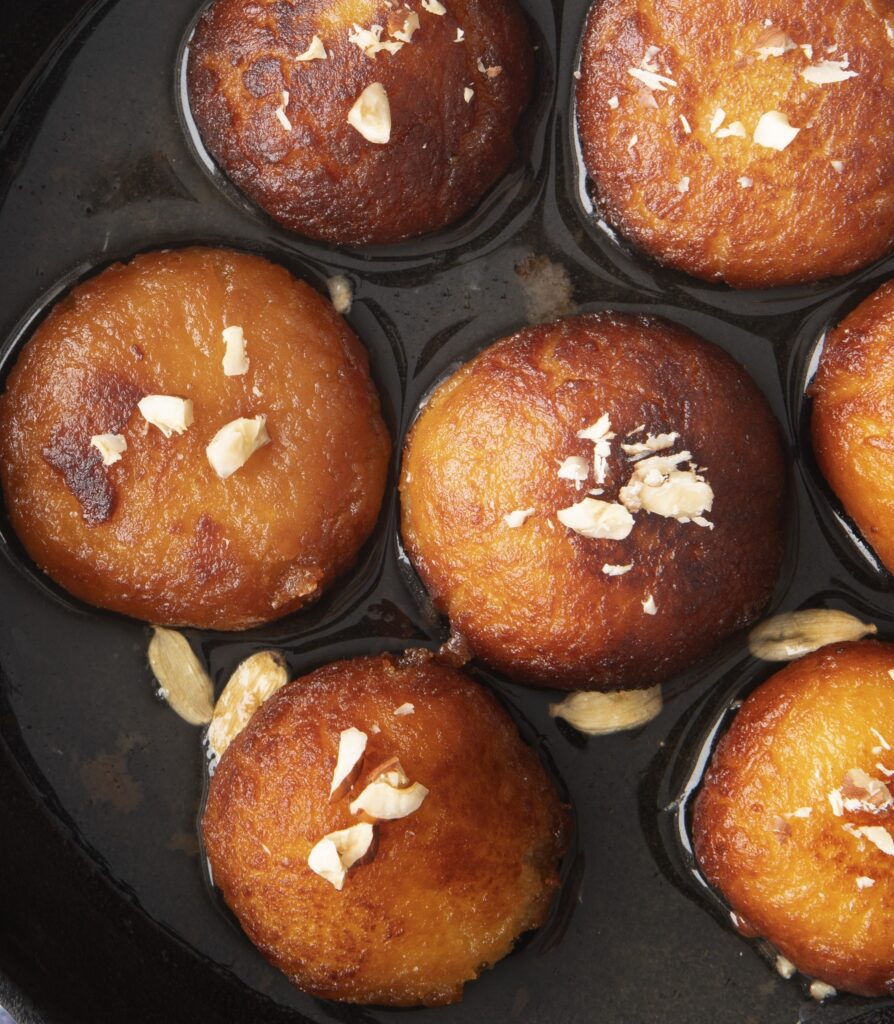
Gulab Jamun: The Sweet Symphony of Tradition and Taste
If there’s one dessert that epitomizes celebration and indulgence in South Asian cuisine, it’s Gulab Jamun. This iconic sweet, with its golden-brown exterior and soft, syrup-soaked interior, is a staple at festivals, weddings, and joyous gatherings. In this blog post, we’ll delve into the enchanting world of Gulab Jamun, uncover its origins, explore the secrets behind its perfect preparation, and even share a recipe so you can recreate this delicious treat at home.
What is Gulab Jamun?
Gulab Jamun is a popular Indian dessert made from milk solids, typically khoya (dried milk), which are formed into small balls and deep-fried until golden brown. These crispy-on-the-outside, melt-in-your-mouth sweets are then soaked in a fragrant syrup made with sugar, water, and flavored with cardamom and rose water. The result is a warm, sweet treat that’s irresistible to the last bite.
A Sweet History
The origins of Gulab Jamun are as rich and diverse as its flavor. This dessert is believed to have been brought to the Indian subcontinent by Persian and Central Asian invaders, who introduced the technique of making syrup-soaked pastries. Over time, Gulab Jamun adapted to local tastes and ingredients, becoming a cherished part of South Asian culinary tradition. The name “Gulab Jamun” combines “Gulab,” meaning “rose” in Persian, and “Jamun,” a type of berry, reflecting the dessert’s aromatic syrup and its round shape.
Ingredients and Preparation
Ingredients:
- Khoya (Mawa): The primary ingredient, khoya is made by simmering milk until it reduces to a thick, creamy consistency. You can find pre-made khoya in stores or make it at home.
- Flour: A small amount of all-purpose flour or semolina (suji) is used to bind the dough and help the balls hold their shape.
- Baking Powder: This helps the balls rise and become fluffy.
- Sugar: Used in the syrup and sometimes in the dough for added sweetness.
- Water: For the syrup.
- Flavorings: Cardamom pods and rose water (or kewra water) for that distinctive aroma.
- Oil or Ghee: For deep frying.
Preparation Steps:
- Making the Syrup:
- Combine sugar and water in a pan and heat until the sugar dissolves.
- Add cardamom pods and a few drops of rose water or kewra water.
- Simmer the syrup until it reaches a slightly sticky consistency. Set aside to cool.
- Preparing the Dough:
- Mix khoya with a bit of flour and baking powder to form a soft, pliable dough.
- Gently roll the dough into smooth, small balls, making sure there are no cracks.
- Frying the Gulab Jamun:
- Heat oil or ghee in a pan over low to medium heat. The temperature should be low enough to cook the balls thoroughly without burning them.
- Fry the balls in batches, gently stirring them to ensure even cooking. They should turn golden brown.
- Once fried, remove the balls and let them drain on paper towels before soaking them in the warm syrup.
- Soaking:
- Let the Gulab Jamun soak in the syrup for a few hours or overnight. This allows the sweets to absorb the syrup, becoming deliciously soft and flavorful.
Tips for Perfect Gulab Jamun
- Dough Consistency: The dough should be smooth and soft but not too sticky. If it feels too dry, add a little milk. If it’s too sticky, add a bit more flour.
- Oil Temperature: Fry the balls at a low temperature to ensure they cook evenly. High heat can cause them to burn on the outside while remaining uncooked inside.
- Syrup Temperature: Ensure the syrup is warm (not hot) when soaking the Gulab Jamun. Hot syrup can cause the balls to become mushy, while cold syrup can make them hard.
- Avoid Cracks: Smooth the balls well before frying to prevent them from cracking.
A Delicious Finale
Gulab Jamun is more than just a sweet treat; it’s a symbol of celebration and joy. Its delicate balance of sweetness, aromatic spices, and rich textures makes it a perennial favorite at special occasions and everyday meals alike. Whether you’re enjoying it at a festive gathering or making it at home, Gulab Jamun never fails to impress and delight.
So, gather your ingredients, embrace the tradition, and indulge in the delicious journey of making Gulab Jamun. Your taste buds will thank you!
Pingback: MOJITO - SAJ COOKS